Introduction to Rescue Stories
Animal rescue is not a slogan. It is intake, triage, treatment, foster care, and the unglamorous part where someone keeps showing up after the first photo stops being useful. Comite Pro-Animal’s public mission has long centered on humane treatment and direct action for animals that need help, not sympathy theater.
If you want the broader mission first, read about Comite Pro-Animal. If you want to support the work directly, the practical next step is to donate. For a baseline on how shelters and rescue groups think about intake and placement, the Humane Society’s rescue resources and the ASPCA’s overview of shelter intake and placement are useful references. The details vary. The pattern does not: rescue only matters if the animal gets a real path to recovery.
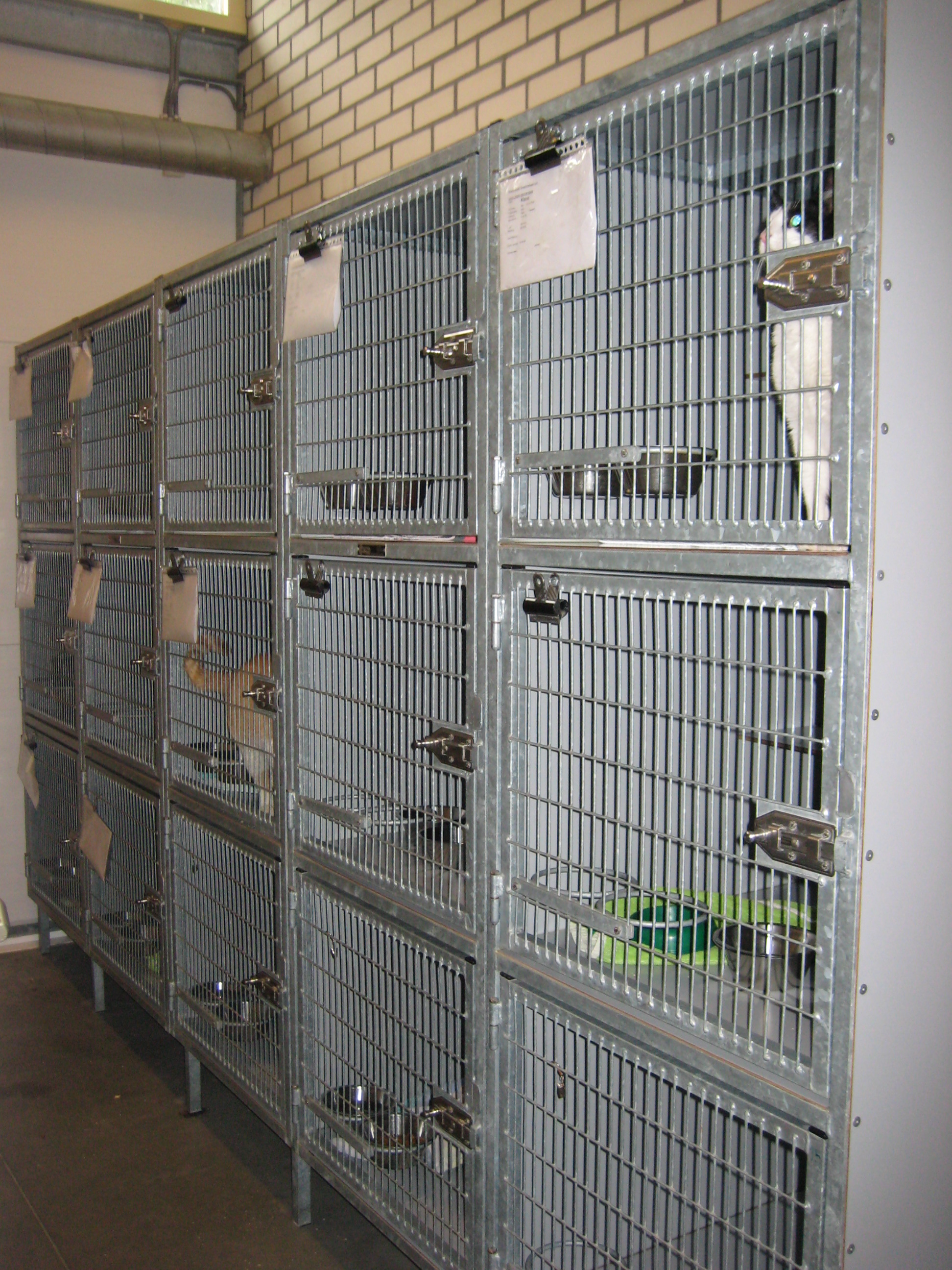
Case Study 1: A dog pulled back from neglect
One documented rescue path in Comite Pro-Animal’s work starts with a dog found in poor condition, underfed and exhausted. The public record is not always generous with tidy details, so this is the honest version: the exact day, location, and names are less important than the sequence of care that followed. Intake, veterinary review, nutrition, and consistent handling turned a crisis case into something manageable.
The outcome was straightforward and worth the trouble: the dog stabilized, regained weight, and moved into a safer environment where routine replaced emergency. That is a real result, not a fairy tale. If you want a broader reference point for why shelter outcomes depend on triage and placement, see the AVMA’s guidance on shelter outcomes.
The lesson is blunt: rescue is a process, and processes work when someone keeps showing up.
Case Study 2: A cat that moved from isolation to trust
Another rescue involved a cat that arrived frightened, withdrawn, and not remotely interested in human optimism. That is normal. Animals do not perform gratitude on command, and anyone expecting a cinematic turnaround is shopping for fiction. Comite Pro-Animal’s work here followed the real pattern of humane care: time, quiet, repeated low-stress handling, and attention to whether the cat was eating, resting, and tolerating contact without spiraling.
Over time, the cat began eating reliably and accepting a calmer home environment. That sounds modest because it is modest. Modest is better than dramatic if the animal gets to live. For a practical reference on stress-sensitive feline care, the International Cat Care guidance on introducing a new cat explains why calm conditions matter more than most people admit.
This is what rescue looks like when it works: not one big emotional scene, but a sequence of correct small decisions.
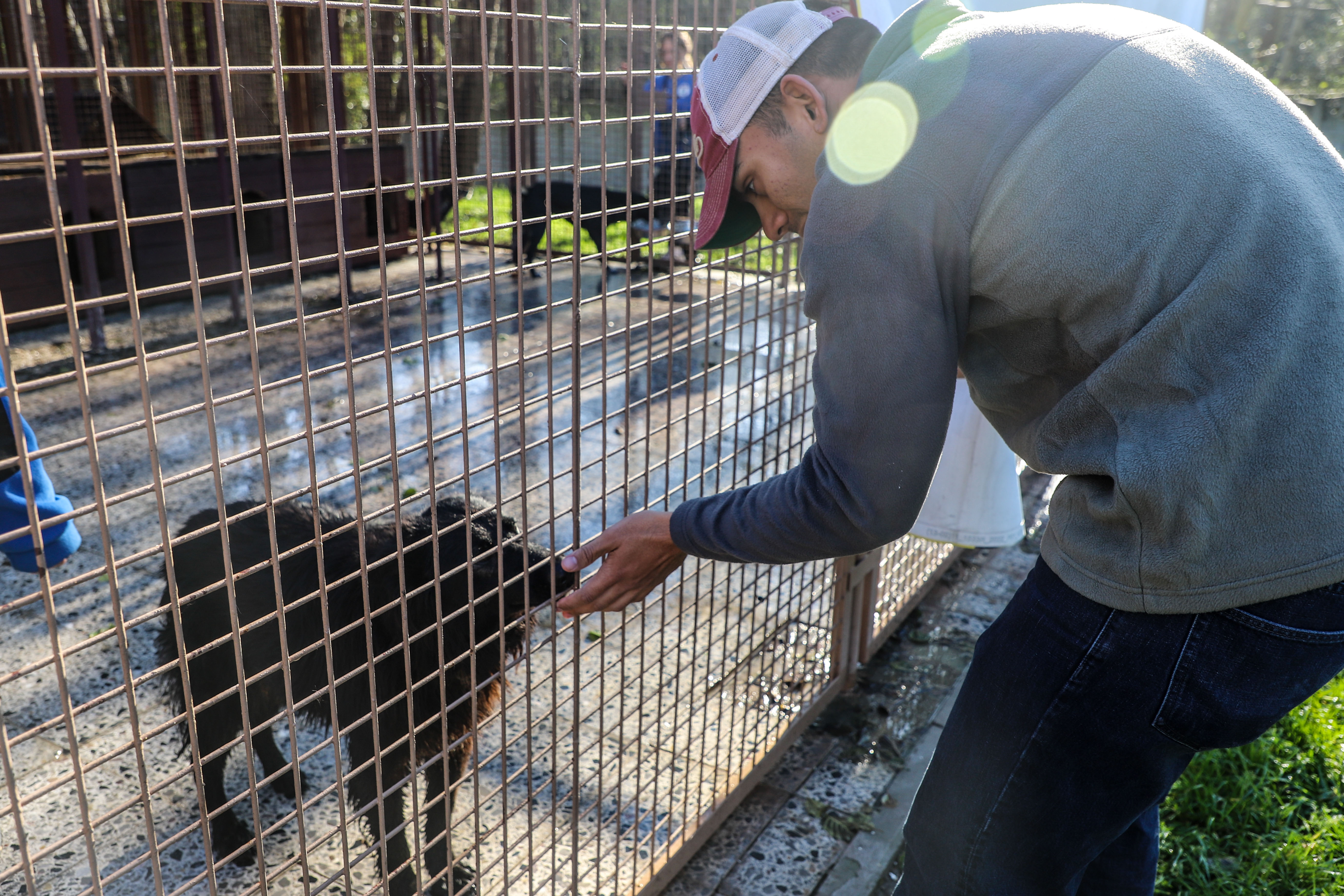
Case Study 3: A young animal that found a stable home
The third story is best read as a clear example of the organization’s placement work rather than a cinematic rescue legend. A young animal arrived vulnerable and left with structure: health monitoring, placement screening, and a match that fit the animal’s needs instead of the adopter’s fantasy. Rescue without placement is just temporary parking.
The result was a stable adoption into a home that could actually keep up. That is the only ending that matters. If you want a broader view of how sheltering and adoption systems work, the Merck Veterinary Manual’s shelter medicine overview is a credible primer on why screening, health checks, and placement decisions matter.
There is no need to exaggerate. A good rescue outcome is enough on its own.
Conclusion
These stories point to the same conclusion: Comite Pro-Animal’s impact is practical, not theatrical. Animals were rescued, treated, and moved toward better outcomes because people did the work instead of decorating it. That is the part worth supporting.
If you want to help create more outcomes like these, start with the obvious move: donate to Comite Pro-Animal or look for ways to volunteer through the site’s support pages. Rescue does not run on sentiment. It runs on funding, attention, and follow-through.