The Role of Education in Animal Welfare
Education is one of the quiet engines behind better animal welfare. It helps people understand what animals need, how to recognize stress or neglect, and how to make everyday choices that reduce harm. It also supports responsible pet ownership, which sounds simple until you try to convince a cat that “bath time” is a team sport.
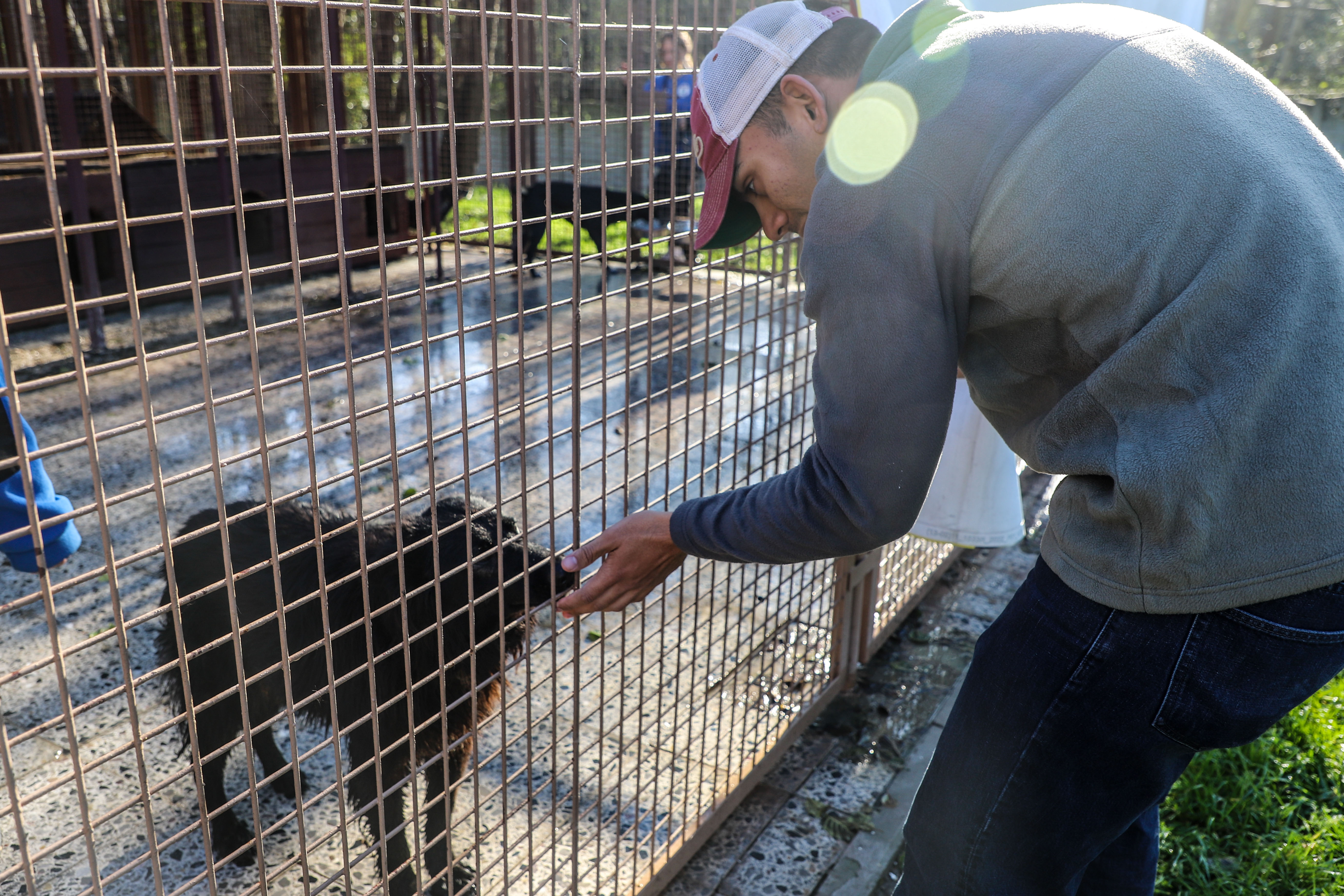
Why education matters
Animal welfare is about more than feeding a pet and hoping for the best. It includes proper food, clean water, shelter, preventive care, humane handling, and an environment where animals can feel safe. Education helps people notice what good care looks like before small problems become bigger ones.
Public education also changes attitudes. When children and adults learn to read animal behavior, they are less likely to scare, mishandle, or ignore signs of distress. That matters in homes, schools, shelters, and community spaces.
According to the American Veterinary Medical Association, preventive care and owner education are key parts of keeping pets healthy. Humane education groups such as the Humane League also emphasize that early learning can shape empathy and care habits that last for years.
Programs offered to different audiences
Animal welfare education can take many forms. The best programs usually meet people where they are and give them practical next steps.
- School workshops: Lessons for children on kindness, empathy, and safe behavior around animals.
- Pet-owner classes: Training on feeding, grooming, enrichment, leash skills, and basic health checks.
- Shelter volunteer orientations: Short courses that teach safe handling, cleaning routines, and visitor support.
- Community seminars: Public talks on spay and neuter, vaccination, microchipping, and lost-pet prevention.
- Teen leadership programs: Hands-on service learning that helps students build confidence while helping animals.
For a broader view of humane education, the humane education overview is a useful starting point, and local nonprofits often adapt these ideas into workshops and after-school sessions.
What success can look like
Education is easy to overlook because its results often show up quietly: fewer injuries, better adoption outcomes, calmer pets, and more people who know where to turn for help. That said, the impact can still be measured.
Studies and program reports commonly point to improved knowledge scores, stronger empathy, and better retention of care practices after workshops or classroom visits. A peer-reviewed review on humane education found evidence that well-designed programs can improve children’s attitudes toward animals and support prosocial behavior.
“The best animal-welfare lesson is the one people can use the same day they leave the room.”
That is the practical test. If someone learns how to spot dehydration, brush out a coat, or ask a better question at the shelter, the lesson has already done useful work.
How to get involved
If you want to support education for animal welfare, start close to home. You do not need a formal title to be helpful. Clear information and steady effort go a long way.
- Ask local shelters, rescues, or humane groups whether they offer classroom visits or volunteer training.
- Share reliable pet-care resources with neighbors, teachers, or family members.
- Support community programs that offer low-cost spay and neuter education.
- Volunteer for outreach events, adoption days, or school presentations.
- Encourage children to ask respectful questions and practice safe behavior around animals.
If you want to learn more about the organization behind this site, visit the About page or see the services page for additional ways to take part.
Conclusion
Education gives people the tools to make better decisions for animals. It supports responsible pet ownership, strengthens communities, and helps good habits spread from one household to the next. Not every lesson has to be dramatic to matter. Sometimes the most useful thing is a simple reminder: animals need patience, consistency, and people who are willing to learn.
If you are looking for a next step, choose one small action this week: attend a workshop, share a trustworthy resource, or ask a local group how you can help. That is how better care gets built.
Ready to help? Start with one practical step today by connecting with a local animal-welfare program, or explore our About and Services pages to see how this site supports the work.