Animal welfare is a big umbrella. It covers everyday work that helps animals stay safe, healthy, and treated with care: sheltering, rescue, sterilization, veterinary support, policy advocacy, public education, and research. No single group can do all of that well, which is why the field works a lot like a relay race. One organization takes the baton at the shelter door, another at the policy table, and another with community outreach. The finish line is the same: better lives for animals.
If you want a quick way to understand the landscape, it helps to look at organizations with different strengths. Some focus on companion animals, some on wildlife, some on farm animals, and some on the laws and systems that shape animal care. Together, they form a surprisingly practical network. For a broader sense of how animal protection groups are described in the public sphere, the animal welfare overview on Wikipedia is a simple starting point, while World Animal Protection explains how welfare campaigns often cross borders.
How these organizations were chosen
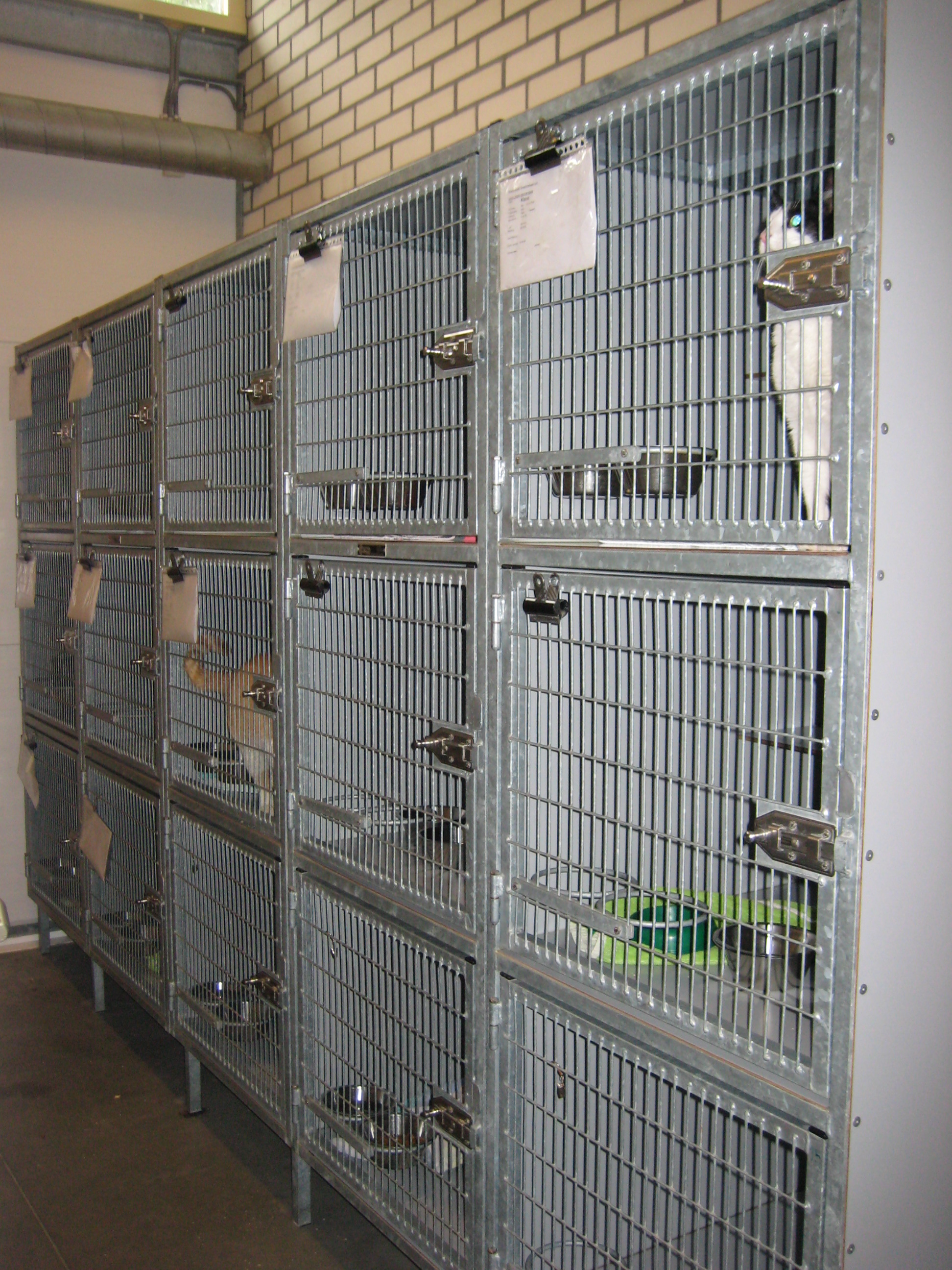
This list is not a ranking so much as a useful map. The organizations below were chosen for their reach, reputation, and the way they approach different parts of the animal welfare puzzle. Some are household names; others are more specialized, but just as important. The point is to show how many lanes exist in the same race.
- Impact: programs or advocacy that reach a meaningful number of animals or communities
- Reach: local, national, or global influence
- Diversity of mission: companion animals, wildlife, farm animals, shelter support, and policy
- Public value: clear education, rescue, or systems-level work
The top 10 animal welfare organizations to know
1. ASPCA
The ASPCA is one of the best-known animal welfare organizations in the United States. It focuses on rescue, cruelty intervention, adoption support, and policy work. If animal welfare had a “first responders” badge, the ASPCA would be one of the groups wearing it.
2. Humane Society of the United States
The Humane Society of the United States works on animal protection through advocacy, legislation, rescue, and public education. Its work often shows up where policy and compassion meet, which is usually where lasting change likes to happen.
3. Best Friends Animal Society
Best Friends Animal Society is widely known for no-kill sheltering efforts and partnership work with local shelters. Its focus on practical collaboration makes it a strong example of how national advocacy can support day-to-day rescue work.
4. World Animal Protection
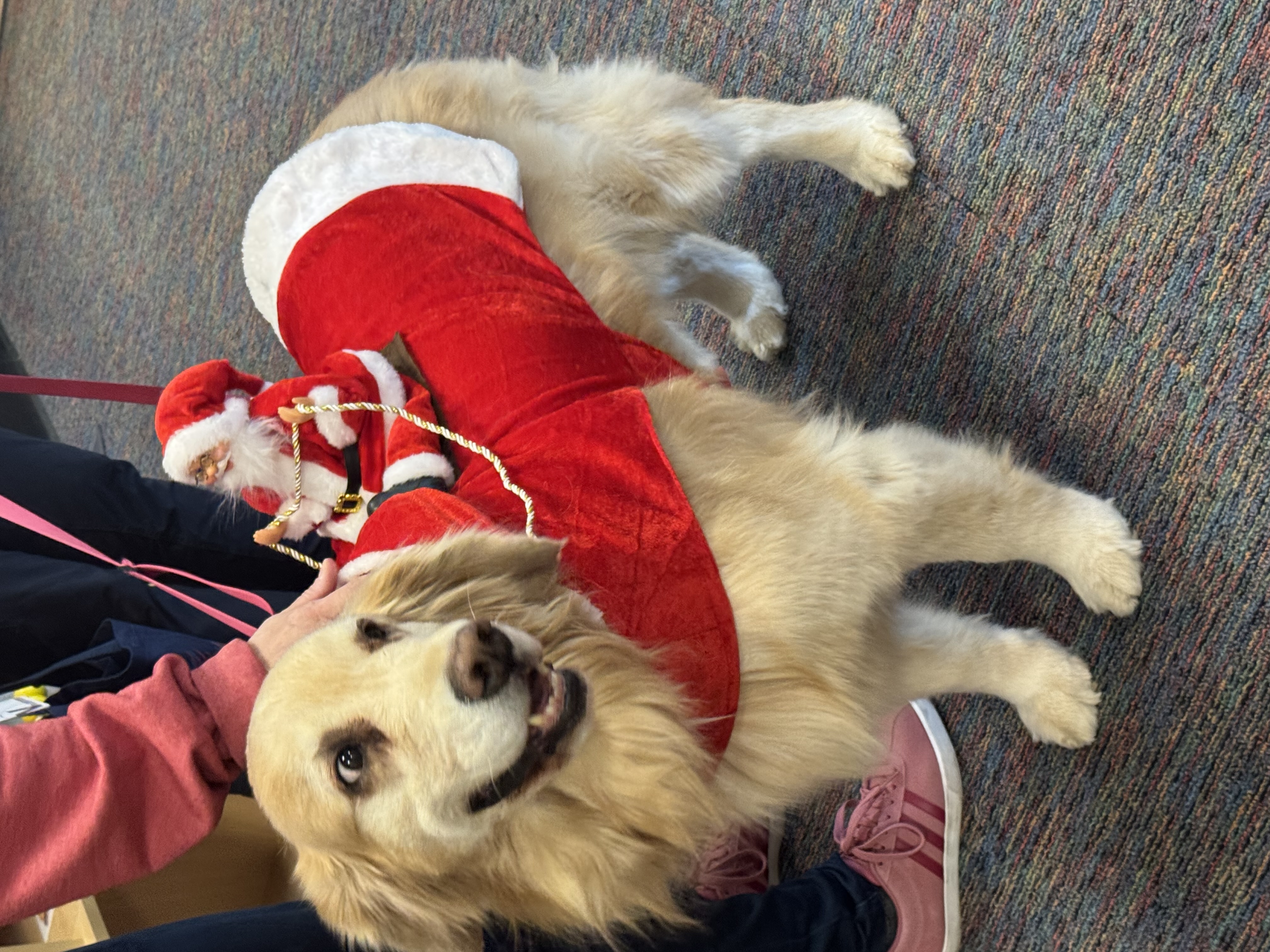
World Animal Protection takes a global view of animal welfare. It works on disaster response, wildlife protection, farm animal welfare, and the links between human systems and animal suffering. In other words: the organization thinks big, because the problems often do too.
5. PETA
PETA is a high-profile animal rights and welfare organization known for campaigns that draw attention to animal use in food, fashion, entertainment, and testing. It is often part of the louder public conversation, which means it helps move issues that would otherwise stay sleepy and polite.
6. American Humane
American Humane is known for work in animal rescue, shelter support, and welfare standards for animals in entertainment and other settings. Its role is useful because it bridges public awareness with practical standards.
7. Alley Cat Allies
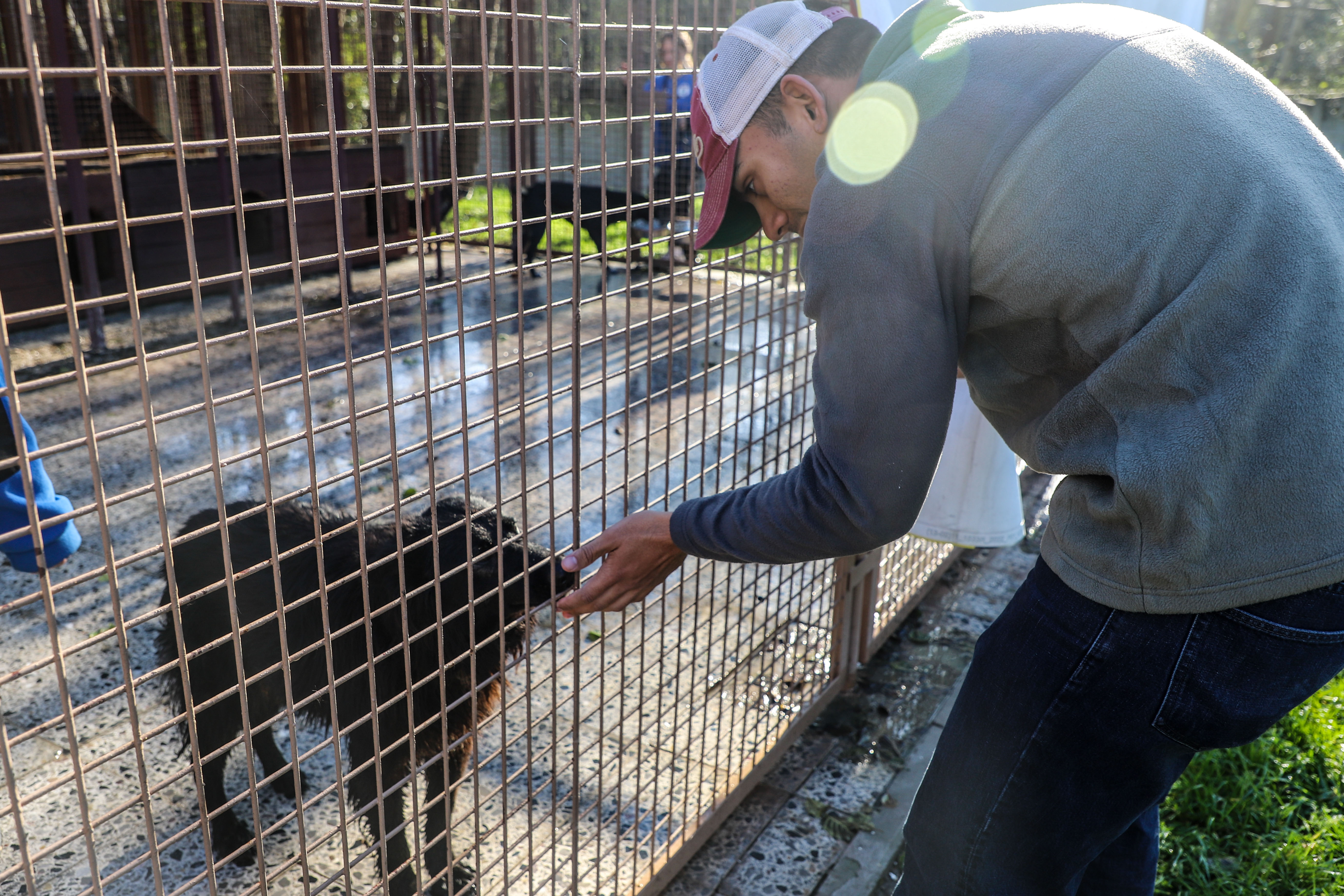
Alley Cat Allies focuses on community cats and trap-neuter-return education. That niche matters more than people sometimes realize; for many communities, this is where humane population control and neighborhood care begin.
8. Farm Sanctuary
Farm Sanctuary advocates for farm animals through rescue, education, and policy. Its sanctuary model gives the public something concrete to connect with: real animals, real stories, and the reminder that welfare includes more than pets.
9. The Donkey Sanctuary
The Donkey Sanctuary specializes in the welfare of donkeys and mules, especially in areas where working animals need veterinary support, shelter, and long-term protection. Specialized groups like this are a good reminder that animal welfare is not one-size-fits-all.
10. Humane World for Animals
Humane World for Animals, formerly known as the Humane Society of the United States’ international work, focuses on animal welfare policy, disaster response, and large-scale advocacy. It helps connect local action with broader systems change, which is often how small wins become lasting ones.
How these groups complement each other
The most useful thing about this list is not just the names; it is the pattern. Shelter groups handle immediate care. Advocacy groups push for better laws. Wildlife and farm-animal groups widen the conversation beyond household pets. Education groups help people understand why prevention matters as much as rescue. It is a lot like a kitchen during a fundraiser: if everyone tries to do the same job, dinner gets weird very quickly.
That mix of roles also creates partnership opportunities. A local rescue may work with a national advocacy group on legislation, then partner with a specialized sanctuary on placement or education. For a more policy-focused view of animal protection, the World Organisation for Animal Health animal welfare resources explain the standards side, while the FAO’s animal welfare work shows how welfare connects to broader food and agriculture systems.
What readers can do next
If you are wondering where to start, pick one organization that matches your interests. Love shelter animals? Look at rescue and adoption groups. Care about policy? Read an advocacy organization’s campaign pages. Interested in a specific animal, like cats or farm animals? Go straight to the specialists. And if you are ready to help in a more direct way, visit our donate page or learn more about our work on the about page.
Animal welfare improves fastest when people share information, support effective groups, and keep the conversation going. One donation, one volunteer shift, or one shared article may not save every animal in the world, but it can absolutely make the next rescue a little less chaotic. That counts.