If you want animal welfare to improve, stop treating donations like optional charity theater. They are operating fuel. Shelters, rescue groups, foster networks, and low-cost clinics do not run on good intentions. They run on cash, supplies, volunteers, and a steady stream of people who show up before the problem gets worse.
When people search for help, they usually ask the same blunt questions: Where does the money go? What donation actually helps? Is volunteering worth the time? How do you avoid giving to a group that looks busy and does little? Those are not cynical questions. They are the right ones. As The Humane Society of the United States and the ASPCA both show, animal welfare groups depend on predictable support to cover shelter care, medical treatment, rescue work, and community programs.
The problem is not abstract. Donations pay for food, vaccines, spay and neuter work, transport, bedding, and emergency care. Volunteer labor fills the gaps that money cannot cover. A typical shelter can spend hundreds of dollars on a single animal before adoption even enters the picture. If you want a tidy summary, the receipt is this: money keeps the lights on, supplies reduce pressure, and volunteer hours keep the machine from seizing up.
By the end of this guide, you will know which donations matter most, how to compare one-time gifts with recurring support, where in-kind donations help and where they become clutter, how to choose useful volunteer work, and how to avoid handing your resources to a group with poor transparency. For a broader look at the scale of shelter work, see the animal shelter overview and Shelter Animals Count, which tracks shelter intake and outcomes across the United States.
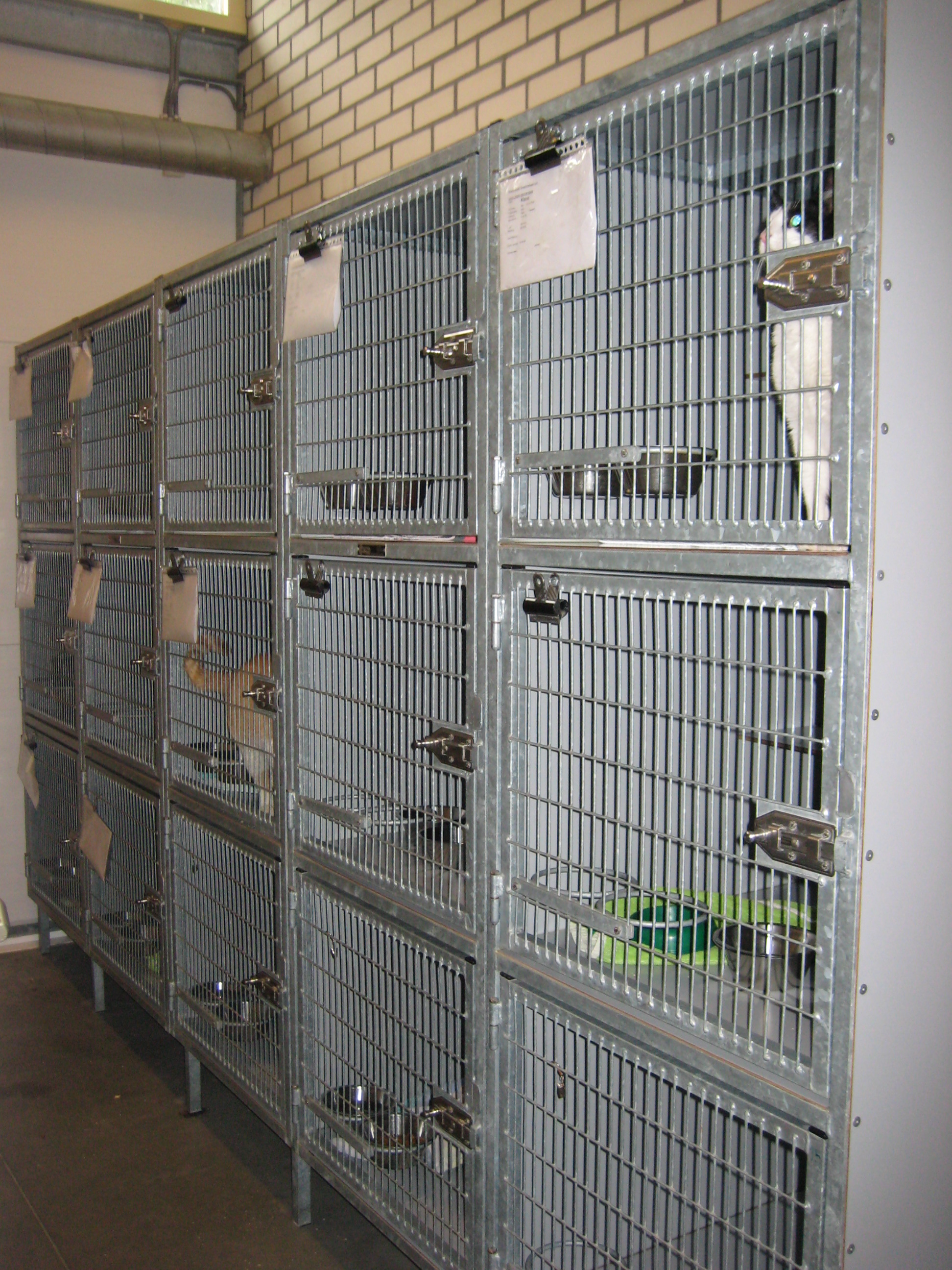
Why Donations Matter
Animal welfare organizations live or die by recurring support. Rent, utilities, staff time, medication, food, vaccines, cleaning supplies, and transport are not glamorous expenses, but they are the ones that decide whether an animal gets help today or next week. The delay is the problem. Animals do not care about your brand strategy or your feelings about monthly giving.
- Financial donations cover urgent and flexible costs, which is exactly why groups prefer them.
- Recurring gifts help organizations budget for the boring but essential work that never stops.
- Emergency donations can fund rescue operations after disasters, cruelty cases, or disease outbreaks.
If you want a practical example, a local rescue can use a $25 monthly donation more efficiently than a one-time box of random food with no matching need. Cash buys the missing item. Random stuff often just becomes storage debt. For evidence that this kind of support is standard across the sector, review the giving guidance from Best Friends Animal Society.
Different Ways to Donate
There is more than one way to help, but not all donation methods are equal. The right choice depends on the organization’s current needs, your budget, and whether you want maximum impact or convenient symbolism. One of those is useful. The other is just a photo op with a receipt.
1. Monetary donations
One-time donations help with urgent gaps. Recurring donations help with planning. If you are deciding between the two, recurring support usually wins because shelters can forecast costs. A reliable $10, $25, or $50 every month is not dramatic, but it is genuinely useful.
| Donation type | Best for | Weak spot |
|---|---|---|
| One-time gift | Emergency needs, campaigns, disaster response | Unpredictable for budgeting |
| Monthly gift | Core operations, planning, ongoing care | Requires commitment |
| Memorial or tribute gift | Special occasions with a clear purpose | Often less flexible than unrestricted support |
2. In-kind donations
Food, towels, blankets, cleaning supplies, leashes, crates, and pet-safe disinfectants can help. But call first. Every shelter has a list of what it needs and a second list of what it absolutely does not need. That second list matters more than people think. If you bring the wrong goods, you have donated a problem.
- Ask for a current needs list before buying supplies.
- Check expiration dates on food and medical items.
- Keep packaging clean and sealed.
- Do not assume bulk equals useful.
3. Fundraising campaigns
Community fundraisers can work if they are focused. Peer-to-peer campaigns, birthday fundraisers, matching gift drives, and adoption-event sponsorships are all practical. The best campaigns explain exactly what the money covers: surgeries, transport, vaccinations, food, or facility repairs. Vague fundraising breeds vague results.
For examples of organized fundraising and donation programs, look at Candid/GuideStar for nonprofit transparency tools and the donation page if you want to support animals directly from this site.
Volunteering Opportunities
Money is not the only resource. Time matters too. Volunteers clean kennels, walk dogs, socialize cats, assist at events, help with admin tasks, drive transports, and support fundraising. In other words, they do the jobs that keep organizations functioning when staff is stretched thin.
- Shelter support: cleaning, feeding, walking, and basic care.
- Outreach work: tabling, education, and adoption events.
- Administrative help: data entry, phone calls, scheduling, and donor support.
- Transport and logistics: moving animals, supplies, and equipment.
Volunteering is not a personality test. It is a task list. If you are good at spreadsheets, use them. If you can lift crates, do that. If you are calm around animals, your calm is useful. If you are unreliable, nothing magical happens because you meant well. The rescue still needs someone to show up.
To find opportunities, start with local shelters, city animal services, rescue networks, and established volunteer platforms. A basic search for your county plus “animal shelter volunteer” will usually get you closer to the truth than social-media optimism. For a broader directory-style reference, VolunteerMatch’s animal-related listings can help you identify organizations that actually recruit helpers.
If you want a place to start on this site, see volunteer opportunities and ask for the role that matches your schedule instead of the role that sounds noble.
Success Stories from Donations
Success stories are useful when they are concrete. A donation drive that funds a surgery is not a slogan. A recurring-giving program that keeps a shelter open through a heat wave is not sentiment. It is logistics winning a fight with chaos.
One common pattern is simple: a rescue posts an emergency case, donors cover the vet bill within hours, and the animal gets treatment instead of waiting in pain. Another is less dramatic but just as important: regular gifts buy enough food and medication for the organization to keep accepting new animals. The flashy rescue gets the applause. The monthly donor keeps the operation from collapsing.
Organizations such as Alley Cat Allies and The Humane Society publish practical examples of community support, from trap-neuter-return programs to shelter rescue coordination. The lesson is consistent: when donations are predictable, more animals get treated, transported, and adopted.
Getting Started
Start with three checks: legitimacy, need, and fit. A reputable group should explain its mission, share contact information, describe how donations are used, and provide a clean way to give. If you cannot tell where the money goes, you are not being asked to help. You are being asked to trust blindly, which is a hobby best avoided.
- Pick one local shelter, rescue, or animal welfare group.
- Read its donation and volunteer pages before sending anything.
- Choose one useful action: monthly gift, supply drop, or volunteer shift.
- Set a calendar reminder so the plan survives contact with your attention span.
- Review the group after a month or two and adjust if needed.
If you want to donate right now, use the donation page. If you want to help with your time instead of your wallet, go to volunteer opportunities. Both are useful. The main thing is to choose one and stop pretending intention counts as action.
Key Takeaways
- Donations keep animal welfare organizations operating.
- Recurring cash gifts are usually more useful than random supplies.
- Volunteer work matters when it matches a real need.
- Transparency beats good intentions with no follow-through.
- Start with one concrete action and make it repeatable.
Support does not need to be dramatic to be effective. It just needs to be consistent, specific, and aimed at the actual bottleneck. Animal welfare groups already know the bottleneck. The next move is yours.